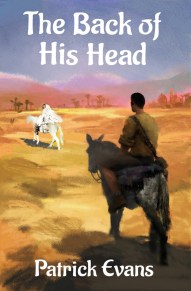
 The Back of His Head is a novel about writers and writing – about the role and power of fiction and the seduction of fame. The subject of the novel is Raymond Thomas Lawrence – early adventurer, at the height of his career winner of the Nobel Prize for Literature, and later an irascible and quite mad Parkinson’s sufferer. His story is told mainly through flashbacks, those of Peter Orr, nephew and adopted son, and those in a recording of a carer; Thom Ham. Orr is part of a four person Trust, comprising the followers of the ‘great’ author, which manages his estate and his open-to-the-public Residence. There are some great passages on fiction: “You can’t plot the present, that’s the trouble, my uncle used to say. You’re only safe when it gets away from now and you can start lying …” As the narration continues we learn some very dark things about Lawrence – and also about the subject and tenor of his writing – and you have to wonder at the devotion expressed by some of Lawrence’s followers when he is such an obnoxious person. Orr is treated appallingly by him when a young boy and there are some very odd scenes indeed of Ham and him in the shower in the later stages of his illness. So the novel is as much about the poetasters, captives of the ‘secondary muses’ and the ‘literary camp followers’ as about the ‘genius author’ – about those who are not able to author their own lives so who end up as characters in other people’s fictions. All intriguing stuff – and made more so when Orr discovers that the great man himself is as much a piece of fiction as Orr feels himself to be – and we have an exploration of fiction as the re-creating (stealing) of other people’s stories and other people ‘s histories – the former illegal, the latter oddly not. One critic claims that Lawrence’s usurping of the underprivileged and disenfranchised for literary purposes is a ‘pernicious evil. I could feel her anger burning across Raymond and his generation like a hot wind, that withered every word they had written.’ What I liked about The Back of His Head is the fascinating look at where we draw the lines of fiction and morality – how much we put up with the damaging of the real for the sake of the beauty of the ideal – but what I didn’t like is Evans choice of a farcical, and at times slapstick style. For example: the dropping of the tapes (presumably those recording Ham talking to ‘Patrick’) down the toilet, the sub-plot (or does it become part of the main story?) of the single mother with a child with spina bifida; the bizarre blowing up of Lawrence’s eponymous creative writing school. Evans in his Acknowledgments tells anyone who sees themselves in his pages that they ‘are taking themselves too seriously’ – I would have enjoyed his book more if Evans had taken his subject a bit more seriously.
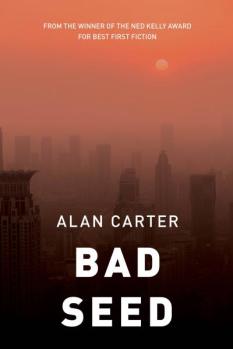 I can review this book here – as Alan Carter now lives in New Zealand!
 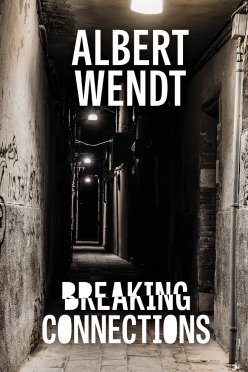 I so wanted to like this novel, and when I started it I thought I would love it – but by the end I had mixed feelings. Daniel is a poet and novelist working as a University lecturer in Hawaii, in exile from New Zealand after one infidelity too many, and having regular nightmares of Laura, his ex-wife, shooting him between the eyes. His life in ‘paradise’ is shaping up to be not too dissimilar from that he left behind when he gets a call that Aaron, an old friend in New Zealand, has been killed. As he returns for the tangi, and to find he is the sole executor of Aaron’s will, we learn the history of Daniel’s urban ‘tribe’ – a group of friends, all from the same poor neighbourhood and all Polynesian, or having being adopted into Polynesian families. The members of the tribe have been tight since they were 5 year old classmates, and Mere – the ‘matriarch’ of the group – brings palagi Laura in when they are at University and Laura and Daniel pair up. The descriptions of the love and solidarity of the group through the various ups and downs of the friends’ lives over the decades is moving, and central to the plot – but the style of writing and Wendt’s dialogue in these sections didn’t work for me. For example the descriptions of the camping trip to Waioha Beach and the introduction of Laura to the Samoan way of life with Daniel’s aiga in Samoa – probably my cold palagi upbringing but I found these descriptions too emotional and idealistic. And I was puzzled by references to Laura reading Albert Wendt’s Sons for the return home and Under the banyan tree as part of her immersion! Despite learning the histories of all of the tribe members there are only a few we really get to know – and difficulties like Daniel’s blatant sexist double standards – a serial womaniser who won’t forgive his mother for (possibly) having an affair – are acknowledged but not really explored. The ethical conundrum which is explored is that given the overwhelming intelligence and goodness of the members of the tribe it is obvious to all right from the start (and especially to Daniel who once observed Aaron abusing two young school students – oddly named Arthur and Martha) that Aaron has a dangerous side and illegal business associates. And they know it is Aaron’s illegal life which is funding them, and others, through their own lives and successful careers. This tension is interesting and stretched to breaking point when the tribe members find out the conditions of Aaron’s will, and the hurdles to getting their bequests. I have been thinking about this a lot since finishing the book – whether family and cultural loyalties should ever trump the law and damage done to those not in the ‘family’ – but even in the scenario Wendt presents us with in Breaking connections, I am not convinced Daniel would make the deal he makes at the book’s conclusion. It is definitely a thought-provoking read.
 It is not a flawless work but totally engaging, with a bit of a mystery and suspense and dollops of social commentary. The novel starts with the Rich of the title appearing to be a homeless alcoholic – we meet him in a ritzy hotel he has frequently been thrown out of, trying to help others rescue a woman trapped in a lift by the quake. Afterward he, and an abandoned dog, takes up residence in the deserted hotel. Meanwhile Annie is 12,000 miles away in London watching the devastation on TV. She decides to return to New Zealand to see if she can find her father who abandoned her and her mother 20 years before, and who she thinks might still be living in Christchurch. The novel alternates between Rich surviving in the hotel and Annie’s quest to find her father. Bennett describes the geological and architectural devastation of the city, depicting animal life continuing as a nice contrast. He describes the up-swelling of goodness – the University students rallying to help, the cleaning company operator refusing payment for helping an elderly resident. And he also refers to the widening rift between the victims of the quake – who have all turned into ‘seisometers’ – and those who, through virtue of their jobs, end up in privileged hi vis vests – and as a resident of Lyttelton he is writing from experience. But in telling of Annie’s quest and Rich’s story he also describes a City that even without the earthquake was built on social hierarchy and prejudice. There were some characters I would have liked to read more of – Vince sort of drops out of the narrative, and the depictions of Annie’s mother and of the wives of a friend of her father and of one of his colleagues are a bit thin. But there is plenty to relish – and the prose is often delightful; I found an early description of Rich in the hotel very moving: “He stays in the shower till his fingertips shrivel, laving his flesh with random miniatures of gel and shampoo and conditioner. He towels himself with a deep white fluffiness, sets a gin on the bedside table and slides between the sheets. The luxury is a cocooning wonder. Richard could almost cry at its embrace. The things money can buy. Softness. Comfort. Ease of the flesh. He is asleep before he can even reach for the gin.”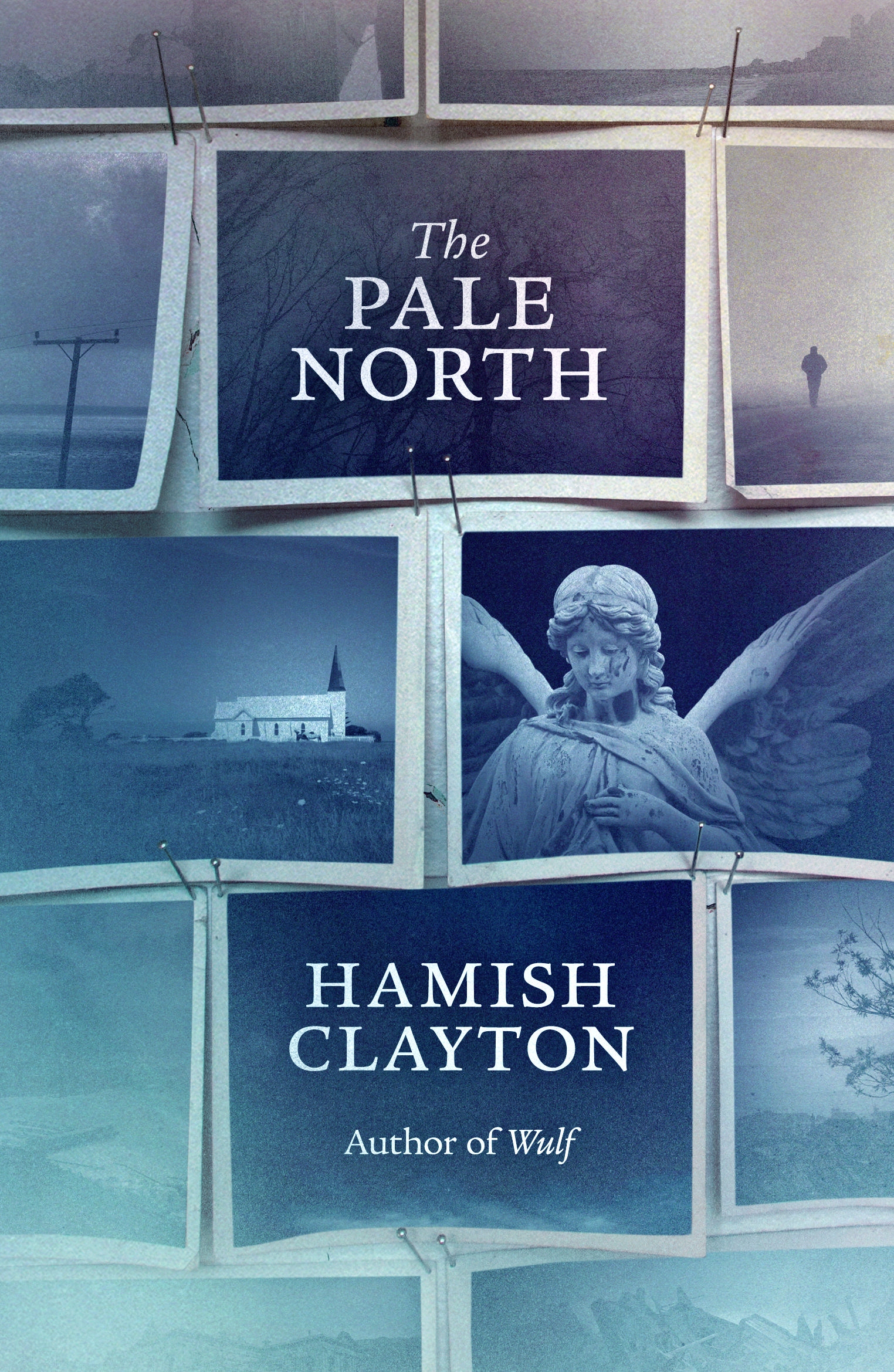


-
Archives
- March 2026
- November 2025
- July 2025
- May 2025
- April 2025
- February 2025
- January 2025
- December 2024
- November 2024
- October 2024
- September 2024
- August 2024
- July 2024
- June 2024
- May 2024
- April 2024
- March 2024
- February 2024
- January 2024
- December 2023
- November 2023
- August 2023
- July 2023
- June 2023
- May 2023
- April 2023
- March 2023
- February 2023
- January 2023
- December 2022
- November 2022
- October 2022
- September 2022
- July 2022
- June 2022
- May 2022
- April 2022
- March 2022
- February 2022
- January 2022
- December 2021
- November 2021
- October 2021
- September 2021
- August 2021
- July 2021
- June 2021
- May 2021
- April 2021
- March 2021
- February 2021
- January 2021
- November 2020
- October 2020
- September 2020
- August 2020
- July 2020
- April 2020
- March 2020
- February 2020
- January 2020
- December 2019
- November 2019
- October 2019
- September 2019
- August 2019
- July 2019
- June 2019
- May 2019
- April 2019
- March 2019
- February 2019
- January 2019
- December 2018
- November 2018
- October 2018
- September 2018
- August 2018
- July 2018
- June 2018
- May 2018
- April 2018
- March 2018
- February 2018
- January 2018
- December 2017
- November 2017
- October 2017
- September 2017
- August 2017
- July 2017
- June 2017
- May 2017
- April 2017
- March 2017
- February 2017
- January 2017
- December 2016
- November 2016
- October 2016
- September 2016
- August 2016
- July 2016
- June 2016
- May 2016
- April 2016
- March 2016
- February 2016
- December 2015
- November 2015
- October 2015
- September 2015
- July 2015
- June 2015
- May 2015
- March 2015
- February 2015
- January 2015
- December 2014
- November 2014
-
Meta
 alysontheblog