
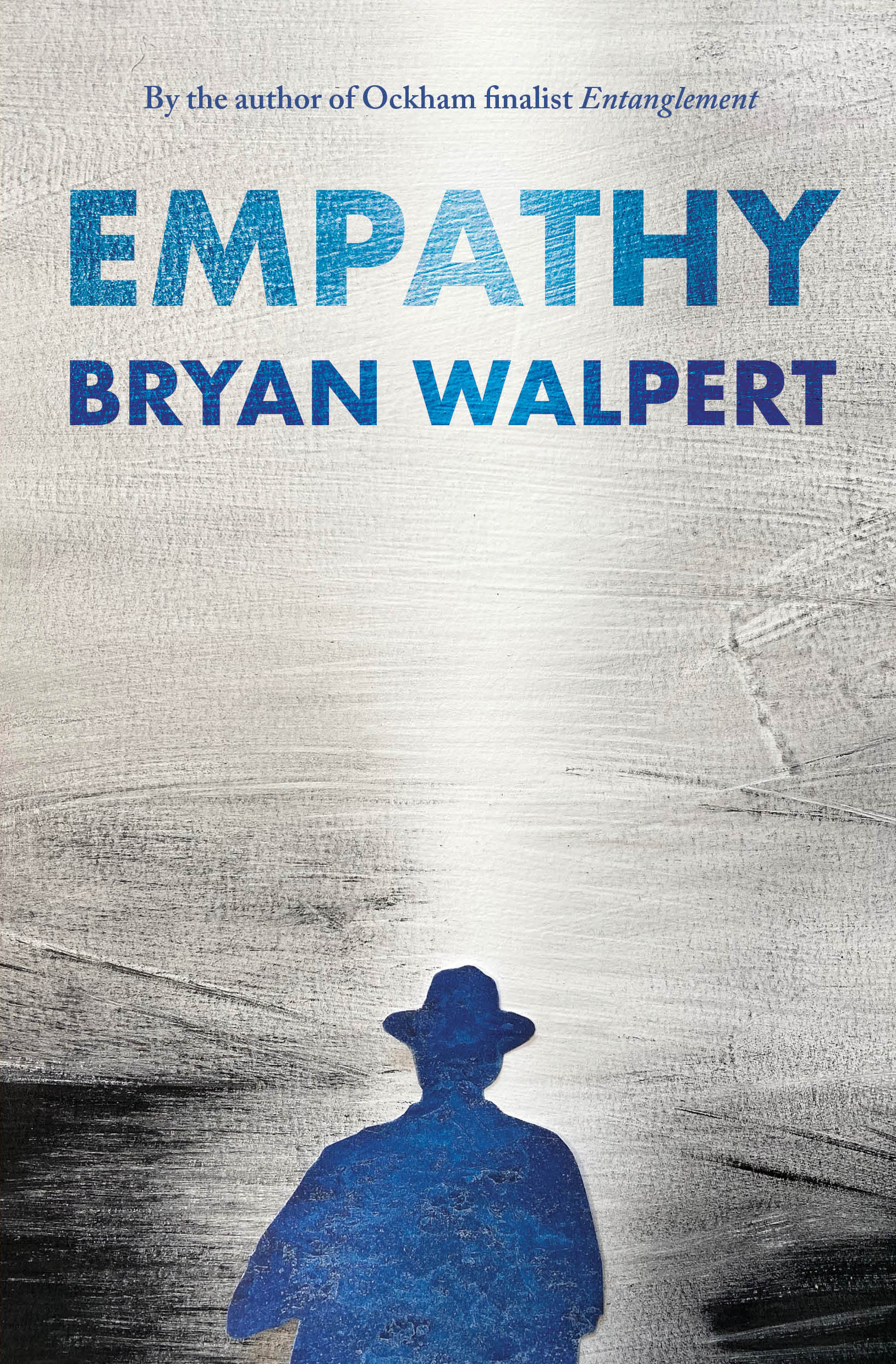
David Geller is a father of two, Gemma and Finn. He is a grieving widower. He is an “upper-level chemistry and biology” teacher. He is a compulsive organiser “a little OCD”. When David’s father, Edward, goes missing, things get very messy when he turns into an amateur sleuth. External to his endeavours is the backstory of his father, a chemist the reader comes to like through a brief introductory chapter, where he is in a very bad situation. And there is also the narrative of the predicament of Alison Morris, an ambitious manager in a perfume corporation, and her dream-driven husband Jim, a gaming software developer.
What draws all these people together, as you would expect from the title, is their ability or lack of it, to empathise with others. It is a layered story, and very current – David’s teenage daughter is traumatised not just by the death of her mother, but from being the target of online bullying – that stark example of a lack of empathy. David in his grief has become quite insular, oblivious to the hurt he may be causing a long-time friend.
As well as the plot being moved along by the stories around David, there are his online experiences of playing Jim’s game: EmPath. The game allows both an explanation of empathy and the irony of an online anonymous game designed to engender understanding between people – a game where your interactions are distant and with avatars. There is also the nice contrast of the game’s use of the choice of self-sacrifice for others, and the reality of being confronted with that choice in real life.
The reader gets a feel for maybe why EmPath is not a sure-fire hit, and that, plus Jim’s business partner being an empathy-less ratbag, leads to loan shark collection guys entering the story. Guys with an interest in any way to recoup their money. The aim of Jim’s game is also that of Alison’s new project; the creation of a fragrance that will engender empathy. Alison had contracted Edward to develop the formula.
What a great idea – a fragrance that creates what the world so desperately needs – people to understand the ‘other’s’ point of view. The magic of Empathy is in its so convincingly showing that whatever the world needs for good can so easily be weaponised for bad. Empathy turns into not just a good mystery story, but an exciting thriller.
The plotting is excellent, when I feared towards the end it wasn’t going to round out, it did so in a satisfying way. And in keeping with the theme of the book, the characterisations are totally engaging. You understand all the motivation, the mistakes, and the aspirations of the characters. Even David’s eleven-year-old son Finn adds to the other characters and to the plot. Emphasising the question of how much we ever understand another person, or merely create them in our mind, is the very present character of David’s dead wife throughout the book.
If all this sounds a bit intellectual and heavy, Empathy is a very entertaining read: “for a detective he made a pretty good science teacher.” As in his previous novel, Entanglement, Bryan Walpert has given us in Empathy a wonderfully complex novel packed with important ideas and heart-felt emotions.
 alysontheblog