“‘It’s a funny old world, eh?’ I said after a second sip. ‘It’s pretty random,’ said James.”
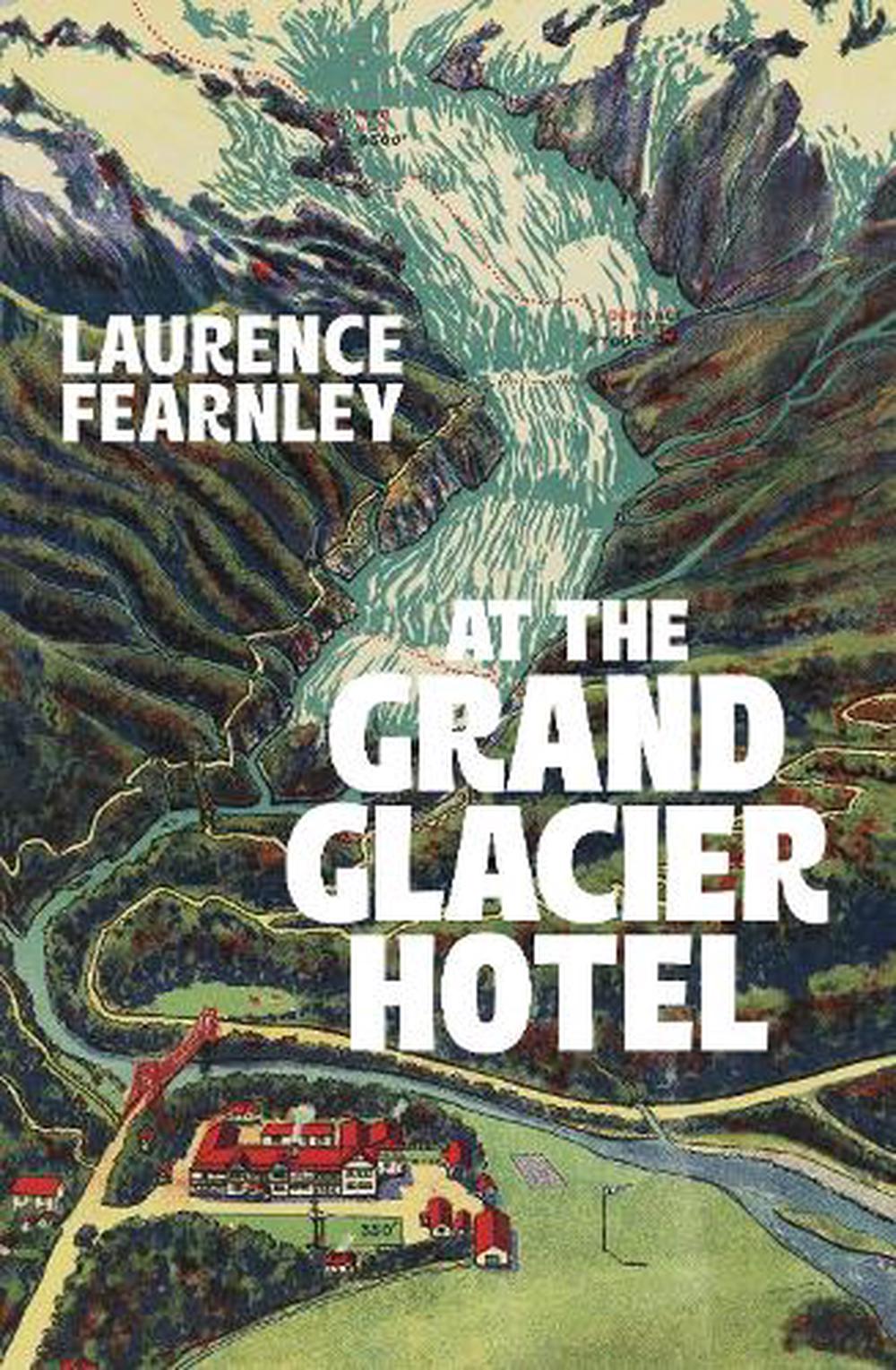
Libby is back at the Grand Glacier Hotel, on the West Coast, Aotearoa. Twenty years earlier she and her husband, Curtis, had promised each other they would come and stay one day when they could afford it. James has come down to the hotel from his remote campsite, as the weather is closing in.
Libby “used to be fit and strong, and work in construction and landscaping”, but is now recuperating from major cancer surgery on her leg. She is in constant discomfort, with frequent spasms of acute jolts, “like an electrical current”, zapping through her leg – “I spent every hour of every day dying.” When Curtis decides to leave on a quick return trip to Wanaka, Libby is relieved to be able to take the break at her own pace, and she suspects Curtis feels similarly: “If we’d been dogs we would have been tugging at the leash, albeit in opposite directions. Even so, I felt a pang of sadness.”
With Curtis gone, Libby just wants to rest. She has a fear of storms and caves, and she feels anxious about her proximity to the Alpine Fault. However, even though she has just turned 50, she still imagines her mother’s voice telling her to “make an effort” – to be active and not just lie around all day. She ventures out on a nature trail, but her leg turns even simple negotiations into major events, and she ends up lying in a ditch. “There was a man standing over me. It was James. ‘Are you hurt?’”
At the Grand Glacier Hotel is the story of two people trying to make sense of how their lives are unfolding, both experiencing symptoms of PTSD. The descriptions of Libby’s situation are pitch perfect. James’ story is a series of snippets that evoke the reader’s solicitousness. Like Libby, he is dealing with physical trauma and its psychological aftermath. On that first encounter Libby and James continue the nature trail together, ending up looking out over a swollen river, as cow carcasses float by. It is the first of a series of outings, that eventually turn into a strange treasure-hunt.
Libby is slowly regaining her agency after falling into patient-mode with her cancer diagnosis: “I went from competent and decisive to being a passive observer.” She still feels socially and physically inept, and she feels awkward spending time with James, a younger man. Libby knows that “women like me were invisible”, and worries that she is boring, or that her disability is too limiting. Libby decides her spirit animal would be a lichen, they “symbolised my own painful progress”.
Libby’s memories of her treatment are harrowing, as is her consequential arrival at ‘disabled person’: “Disability as a form of loneliness that extended far beyond self-pity.” Libby mourns for her previous self who was a “confident solo traveller, sure of my abilities when it came to looking after myself.” She now struggles with getting out of the bath, stepping over low barriers, keeping up with other people.
“Many times I’d sought reassurance, only to have left a consultant’s room feeling less certain and hopeful than when I entered.” Libby’s emergence from a life being determined by the medical is traced by her trips with James. She even manages a walk in a dreaded damp cave: “At last we were back in the fresh air, and the smell of the bush and the damp earth warmed by heat was almost overpowering.”
James has a medical background so is both Libby’s recent past and her lived present. “Why we were drawn to each other was somehow simple but also mysterious. We were easy in each other’s company but beneath that? I felt seen, I suppose, but something more.” They both know that their relationship is transient, they are surrounded by imagery of decline: the dead cows washing away; the drastically receding glacier; James hunting for a bird thought to be extinct; characters enthusiastic about a constructed international language that almost nobody speaks.
At the Grand Glacier Hotel is drenched in the healing, if not dangerous, atmosphere of the West Coast bush – a magic place with kiwi and fantails but also soaking wet and frequently flooding. “I flattered myself that I now had more than a passing connection to the place, that I’d tapped into its rhythms in a way that a tourist wouldn’t.” The book has, like all Fearnley’s work, a strong sense of place. However, it is the depiction of Libby I found striking – and I wasn’t surprised to find out that Fearnley had herself received the same diagnosis she writes for Libby.
Libby realises that, despite she and Curtis having a loving relationship, “Not once did we sit down and talk seriously about our feelings, or our fears.” Sometimes it is leaving your comfort and braving it with complete strangers that can trigger healing – At the Grand Glacier Hotel is a wonderful book.
 alysontheblog
I thought this was a terrific book too.
LikeLiked by 1 person